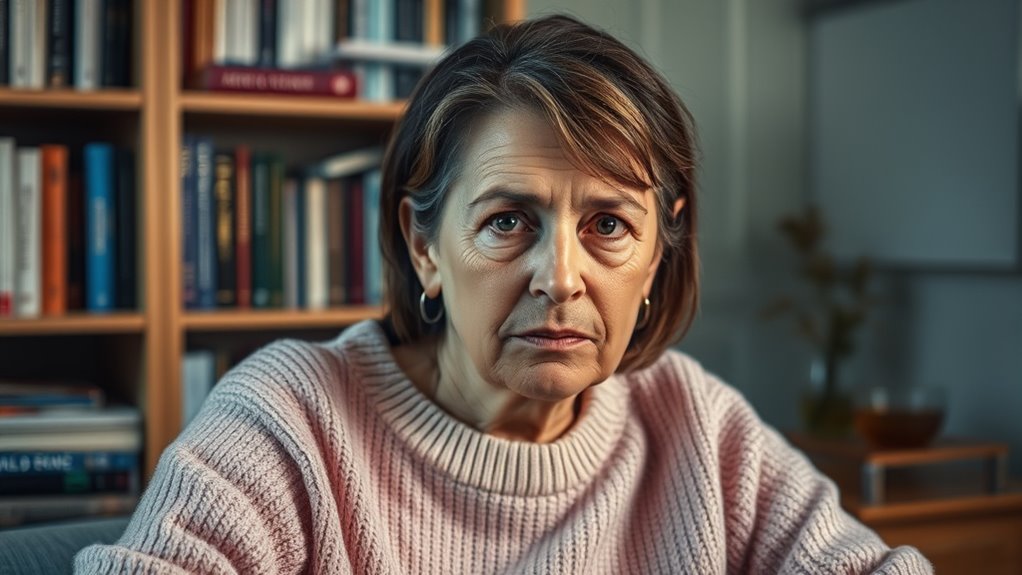

Many women feel unprepared for menopause because they don’t fully understand the physical and emotional changes it brings. Hormonal shifts cause symptoms like hot flashes, night sweats, and mood swings, which can be surprising or confusing. Lack of awareness about these changes often leads to feelings of frustration and isolation. Knowing what to expect can empower you to navigate menopause with confidence. Keep exploring to discover how understanding these shifts can make the journey easier.
Key Takeaways
- Many women are unaware of the emotional and physical changes during menopause, leading to feelings of unpreparedness.
- Lack of education about hormonal fluctuations causes surprise and confusion when symptoms and mood shifts occur.
- Emotional changes during menopause are often unpredictable and less understood, increasing feelings of uncertainty.
- Limited access to support or open conversations about menopause can make women feel isolated and unprepared.
- Emphasizing awareness and self-care strategies helps women better navigate menopause’s physical and emotional challenges.

Menopause marks a significant shift in your life, bringing both physical and emotional changes that can feel overwhelming at times. One of the most noticeable aspects of this transition is the hormonal changes happening inside your body. Your estrogen and progesterone levels fluctuate dramatically, which can lead to a variety of symptoms like hot flashes, night sweats, and irregular periods. These hormonal shifts don’t just affect your body physically—they also play a crucial role in your emotional health. You might find yourself feeling more irritable, anxious, or even depressed without fully understanding why. It’s important to recognize that these emotional responses are often tied directly to your changing hormone levels, making it a natural part of the process, even if it feels unpredictable or distressing.
Menopause causes hormonal shifts that impact both physical and emotional well-being.
Understanding this connection can help you approach the emotional ups and downs with more compassion for yourself. Many women underestimate how deeply hormonal changes can influence mood and mental clarity. You might notice that you’re more prone to mood swings or feel less able to cope with stress. These emotional health shifts aren’t a sign of weakness—they’re a direct result of your body adjusting to new hormonal rhythms. Knowing this can help you avoid feeling guilty or confused about your reactions. Instead, you can focus on strategies to support your emotional well-being, such as mindfulness, therapy, or simply talking openly with loved ones about what you’re experiencing. Additionally, educating yourself about menopause and its emotional impacts can empower you to better manage these changes.
It’s also common to feel unprepared for these emotional changes because they often sneak up on you. Unlike the more predictable physical symptoms, emotional health can fluctuate unexpectedly, leaving you feeling out of control. This lack of preparation can lead to frustration or even feelings of isolation, especially if you don’t have a support system in place. That’s why education about menopause and its emotional impacts is so essential. When you understand that mood swings and emotional shifts are normal parts of hormonal changes, you’re better equipped to manage them. Remember, seeking help, whether through counseling or support groups, isn’t a sign of weakness—it’s a proactive step toward maintaining your overall well-being.
Empowering yourself with knowledge about hormonal changes and their effects on emotional health allows you to navigate menopause more confidently. It’s a journey of adaptation, and you don’t have to face it alone. By acknowledging these emotional shifts as normal and temporary, you can focus on self-care and resilience. This mindset will help you embrace the changes, rather than fear them, and move forward with greater understanding and compassion for yourself.
Frequently Asked Questions
What Are the Earliest Signs of Approaching Menopause?
You might notice early signs of approaching menopause, like hormonal shifts causing irregular menstrual changes, such as shorter or longer cycles, heavier or lighter flow, or skipped periods. You could also experience hot flashes, night sweats, mood swings, or sleep problems. These symptoms result from your body adjusting to changing hormone levels, signaling that menopause is on its way. Staying aware helps you manage these signs more effectively.
How Can I Discuss Menopause Openly With My Doctor?
You should start by being honest and direct with your doctor about your symptoms and concerns. Ask questions about hormone therapy options and discuss menopause myths you’ve heard. Prepare a list of symptoms and questions beforehand to guarantee you cover everything. Open communication helps your doctor recommend personalized treatments and clears up misconceptions, making menopause a more manageable shift. Remember, your doctor is there to support you through this change.
Are There Natural Remedies for Menopause Symptoms?
Yes, there are natural remedies for menopause symptoms. You can try herbal supplements like black cohosh, red clover, or evening primrose oil, which may help reduce hot flashes and mood swings. Additionally, making dietary adjustments such as incorporating more phytoestrogen-rich foods like soy, flaxseeds, and legumes can provide relief. Always consult your healthcare provider before starting any new herbal supplements or significant dietary changes to verify they’re safe for you.
How Does Menopause Affect Long-Term Bone Health?
You might not realize it, but menopause can profoundly weaken your bones over time. As your estrogen drops, your bone density decreases, increasing your risk of fractures. To stay ahead, focus on boosting your calcium intake and engaging in weight-bearing exercises. Don’t wait until it’s too late—protect your long-term bone health now and prevent future complications. Your bones deserve attention before symptoms even appear.
What Lifestyle Changes Can Ease Menopause Discomfort?
You can ease menopause discomfort by making simple lifestyle changes. Focus on maintaining hormonal balance through regular exercise and stress management techniques like yoga or meditation. Incorporate dietary adjustments such as eating foods rich in calcium, vitamin D, and phytoestrogens, which support your body’s needs. Staying hydrated and avoiding caffeine or spicy foods can also help reduce hot flashes and irritability, making your progression smoother and more comfortable.
Conclusion
Understanding menopause can feel overwhelming, but you’re not alone. Think of it like preparing for a new chapter—gather knowledge and support to navigate changes confidently. Just like a map guides you through unfamiliar territory, education helps you face symptoms with resilience. By staying informed and proactive, you can turn uncertainty into empowerment. Remember, many women have traveled this path before you, proving that with the right tools, you can embrace menopause with strength and grace.