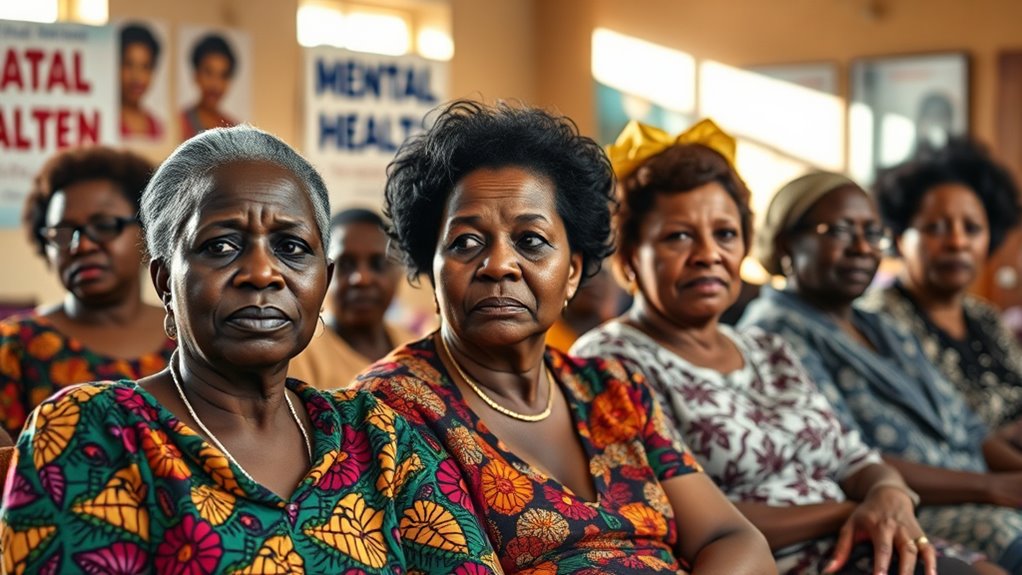

Racialized women face unique mental health challenges often overlooked due to cultural stigma, discrimination, and systemic barriers. These issues can lead to feelings of isolation, mistrust in healthcare, and untreated conditions. Financial hardships and societal pressures make it harder to access proper support. Addressing these unmet needs requires creating culturally sensitive, affordable mental health services and safe spaces. If you want to understand how to support or improve these systems, there’s more to explore.
Key Takeaways
- Racialized women face unique mental health challenges due to cultural stigma, discrimination, and societal pressures that often go unrecognized.
- Socioeconomic barriers like limited income and unstable housing hinder access to mental health services for racialized women.
- Cultural stigma discourages open discussions about mental health, leading to untreated conditions and increased isolation.
- Healthcare systems often lack culturally competent providers, resulting in misdiagnosis and distrust among racialized women.
- Addressing unmet needs requires systemic change to improve affordability, cultural sensitivity, and accessible mental health care.

Racialized women often face unique mental health challenges that are overlooked or underestimated. These struggles are shaped by complex social factors, including socioeconomic barriers and cultural stigma, which can considerably hinder access to care and support. You might find yourself charting a healthcare system that isn’t designed with your specific experiences in mind, making it harder to get the help you need. Socioeconomic barriers, such as limited financial resources, unstable housing, or lack of insurance, create formidable obstacles. When income is tight, mental health often takes a back seat, as immediate needs like food and shelter become priorities. You may feel that seeking therapy or mental health services is a luxury you can’t afford, even if you recognize the importance of addressing your emotional well-being.
Socioeconomic barriers make mental health care inaccessible for many racialized women.
Cultural stigma further complicates the picture. In many communities, mental health issues are seen as a sign of weakness, shame, or personal failure. This stigma discourages open conversations about mental health, leaving you feeling isolated or afraid of being judged. You might worry about how your family or community will perceive you if they learn you’re seeking help. As a result, you could suppress your feelings or try to handle everything on your own, which only deepens feelings of loneliness and despair. The shame tied to mental health struggles can prevent you from reaching out for support, perpetuating a cycle of untreated issues that worsen over time.
These barriers don’t only limit your access to mental health care—they also affect your overall well-being. The stress of dealing with discrimination, racial bias, or cultural misunderstandings compounds your mental health challenges. When healthcare providers lack cultural competence, you may encounter dismissiveness or misdiagnosis, which erodes trust and discourages future help-seeking. Additionally, societal stereotypes can lead to the invalidation of your experiences, making it even more difficult to feel understood or validated. All these factors contribute to the disparities you face, often leaving you feeling unheard or unseen. Recognizing the importance of culturally sensitive care is crucial in addressing these disparities effectively.
Addressing these issues requires systemic change, including making mental health services more affordable and culturally sensitive. It’s essential for communities and healthcare systems to recognize the specific needs of racialized women and to create safe, stigma-free environments where you can seek help without fear of judgment. Only then can you begin to break down these barriers and access the support you deserve, ultimately improving your mental health and quality of life.

The Essential Guide for Counseling Black Women
As an affiliate, we earn on qualifying purchases.
As an affiliate, we earn on qualifying purchases.
Frequently Asked Questions
How Do Cultural Stigmas Impact Mental Health Treatment Seeking?
Cultural stigmas often discourage you from seeking mental health treatment, as community beliefs may view mental illness as shameful or a sign of weakness. Traditional practices might be preferred over professional help, making you less likely to access necessary support. These cultural barriers create fear of judgment, preventing open conversations about mental health and delaying treatment, which ultimately worsens your well-being and perpetuates disparities.
What Role Does Socioeconomic Status Play in Mental Health Disparities?
Your socioeconomic status markedly influences mental health disparities by creating economic barriers that limit access to quality care. Lower income often means you face difficulties affording services or transportation, while educational disparities can leave you with less awareness of available resources or how to navigate the mental health system. These factors together hinder your ability to seek and receive effective mental health treatment, perpetuating disparities among racialized women.
Are There Specific Mental Health Conditions More Prevalent Among Racialized Women?
You might notice that depression and anxiety are more prevalent among racialized women, partly due to genetic predispositions and environmental stressors. These stressors, such as discrimination and economic hardship, exacerbate mental health issues. You should understand that these conditions are often underdiagnosed and undertreated in this population, making it essential for you to seek culturally sensitive support and address social factors that contribute to these mental health disparities.
How Can Community Organizations Better Support Mental Health Needs?
You can better support mental health needs by fostering peer support networks that provide relatable, empathetic spaces. Guarantee your community organization offers culturally competent care by training staff in cultural sensitivities and understanding diverse backgrounds. Promote outreach efforts that respect cultural values, and involve community members in program design. These strategies help racialized women feel understood, respected, and empowered to seek help, ultimately closing gaps in mental health support.
What Policies Can Reduce Barriers to Mental Health Care Access?
Imagine a racialized woman struggling to access care because she faces insurance barriers. You can reduce these barriers through policies that expand insurance coverage and eliminate discrimination. Additionally, mandating exhaustive provider training on cultural competence ensures she receives respectful, effective care. These policies create a more equitable healthcare system, empowering women to seek help without fear or obstacles, ultimately improving mental health outcomes across communities.

Remuuly 200 Pcs Mental Health Awareness Set Includes 100 I Support Mental Health Silicone Bracelets Wristbands and 100 Green Ribbon Metal Button Pins for Women Men Mental Health Gifts
Abundant and Assorted: the package comprises 100 mental health bracelets in 5 styles and 100 button pins in…
As an affiliate, we earn on qualifying purchases.
As an affiliate, we earn on qualifying purchases.
Conclusion
You can’t ignore the mental health gaps faced by racialized women; they’re like cracks in a foundation that threaten to weaken the whole structure. Addressing these disparities isn’t just an option—it’s essential for building a stronger, more equitable society. By recognizing and meeting their unmet needs, you help create a safe space where healing can flourish. Together, you can turn the tide and foster resilience, ensuring every woman feels seen, heard, and supported.

100Pcs Mental Health Stickers for Adults, for Water Bottle – Mental Health Awareness Gifts – Therapist, Counselor Stickers – Gift for Women & Men
Sticks Well on Multiple Surfaces – Our premium vinyl stickers are made to stick securely to laptops, water…
As an affiliate, we earn on qualifying purchases.
As an affiliate, we earn on qualifying purchases.

Supwhd Safe Space Sign, Therapy Office Decor, Calming Safe Space Decor for Therapy Office Counselor Offices Classroom Bedroom Calm Down Corner,Mental Health Wall Decor 12×16
【Product Dimensions】12 x 16 inches, comes with a non-detachable poster hanger frame.
As an affiliate, we earn on qualifying purchases.
As an affiliate, we earn on qualifying purchases.