

Reducing your screen time with a digital detox can boost your mental well-being by improving sleep, reducing overstimulation, and enhancing emotional stability. Limiting social media use minimizes blue light exposure that hampers melatonin, helping you sleep better. It also allows for more meaningful real-world connections, boosts focus, and stabilizes mood. Incorporating mindful breaks and hobbies can support ongoing balance. If you explore further, you’ll discover effective strategies to make this change happen smoothly.
Key Takeaways
- Implement designated screen-free hours and tech-free zones to reduce digital overstimulation and promote mental clarity.
- Replace screen time with mindful activities like hobbies, exercise, or self-care to enhance emotional well-being.
- Practice regular digital detoxes to improve sleep quality and restore natural circadian rhythms.
- Manage emotional responses by limiting constant social media exposure and fostering balanced online habits.
- Incorporate antioxidant-rich foods and intentional breaks to support mental health and combat digital stress effects.

Beyond the emotional toll, social media impact also affects your sleep quality. Many women find themselves staying up late, engaging with apps or browsing social media, which leads to sleep disruption. The blue light emitted by screens inhibits the production of melatonin, the hormone that regulates sleep, making it harder to fall asleep and stay asleep throughout the night. Sleep disruption doesn’t just leave you feeling tired; it impacts your mood, cognitive function, and overall health. When you’re sleep-deprived, you’re more prone to irritability, difficulty concentrating, and even increased cravings for unhealthy foods. Over time, poor sleep can exacerbate anxiety and depression, creating a vicious cycle that’s difficult to break.
Reducing your screen time isn’t just about turning off devices; it’s about reclaiming your mental space and restoring your physical health. By consciously setting boundaries—like designated screen-free hours or creating tech-free zones—you give yourself the opportunity to disconnect from the digital world and reconnect with yourself. This pause allows your brain to reset, reducing the overstimulation that social media can cause. You’ll likely notice improvements in your sleep patterns, feeling more rested and energized during the day. Additionally, stepping away from screens helps you focus on real-world interactions, hobbies, and self-care activities that nurture your mental well-being. Incorporating antioxidants into your diet can also support your overall health and help combat some of the stress caused by digital overload.
Implementing a digital detox doesn’t mean cutting out social media entirely but rather taking intentional breaks. These breaks help mitigate the social media impact and sleep disruption that come with constant connectivity. Over time, you’ll find it easier to manage your emotional responses, sleep better, and enjoy a healthier, more balanced lifestyle. Remember, your mental health deserves the same attention you give to your physical health—so don’t hesitate to unplug and prioritize your well-being.

Gaoye Stylish Eyewear Frame Accessories – Blue Light Glasses for Woman – Computer Glasses for Blue Light Blocking
[Filter Blue light Glasses] Blue light filterer with UV400 protection, help you resist harmful blu-ray, reduce discomfort from…
As an affiliate, we earn on qualifying purchases.
As an affiliate, we earn on qualifying purchases.
Frequently Asked Questions
How Does Excessive Screen Time Affect Women’s Sleep Quality?
Excessive screen time disrupts your sleep quality by exposing you to blue light, which suppresses melatonin production. This interference delays your sleep cycle, making it harder to fall asleep and stay asleep. The more you scroll or watch before bed, the greater the sleep cycle disruption. To improve your sleep, limit screen use in the evening and consider blue light filters or glasses to reduce blue light exposure.
What Are Some Effective Offline Activities for Women?
You can try mindful meditation to relax your mind and reduce stress without screens. Going outdoors for adventures like hiking or gardening boosts your mood and connects you with nature. Reading a book, practicing yoga, or journaling are also great offline activities that help you unwind. These activities promote mental clarity, improve sleep, and foster a sense of well-being, making them perfect for reducing your screen time and enhancing your overall mental health.
Can Digital Detox Improve Women’s Productivity and Focus?
A digital detox can skyrocket your productivity and focus like nothing else. When you disconnect, you create space for mindfulness practices and better time management. Without constant notifications, your mind clears, making it easier to concentrate on tasks. Regular breaks from screens help you regain mental clarity, boost motivation, and stay organized. If you want sharper focus, reducing screen time is your secret weapon for releasing peak performance.
How Can Women Set Boundaries for Healthy Screen Use?
You can set boundaries by establishing clear social and emotional limits. Turn off notifications during personal time and avoid screens before bed to protect your emotional well-being. Communicate your boundaries openly with friends and colleagues, and create designated screen-free zones at home. Prioritize activities that nourish your mental health, and remember, maintaining these boundaries helps you stay balanced and reduces stress, fostering healthier relationships with technology.
Are There Specific Apps to Help Monitor and Reduce Screen Time?
Imagine reclaiming your time—apps like ScreenTime, Moment, and Digital Wellbeing are your allies. They offer app tracking and screen management features that let you set limits, monitor usage, and identify digital habits. By using these tools, you take control over your screen time, making mindful choices that nurture your mental well-being. Don’t let screens dictate your life—empower yourself with these apps for a healthier digital balance.
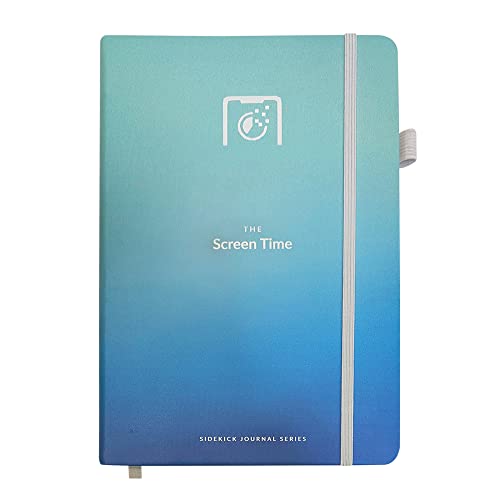
The Screen Time Sidekick Journal by Habit Nest. Fully Guided 66 Day Journey to Take Back Control of your Screen Time. Turn Motivation to Results in 66 days with Habit Nest. Digital Detox
Comes with daily practical guidance for breaking poor screen time habits and implementing new intentional habits in their…
As an affiliate, we earn on qualifying purchases.
As an affiliate, we earn on qualifying purchases.
Conclusion
By taking intentional steps to reduce your screen time, you’ll liberate a mental clarity sharper than a diamond. Embracing a digital detox isn’t just about unplugging; it’s about reclaiming your peace, joy, and sanity amid the chaos of constant connectivity. Imagine life with more genuine moments and less mental clutter—your well-being deserves this revolution. So, step away from the screen and watch your mental health flourish like a radiant sunrise, brighter than ever before.

Carlyle Melatonin 40mg Complex | 150 Fast Dissolve Tablets | Extra Strength Support | with Ashwagandha and Chamomile | Vegetarian, Non-GMO, Gluten Free Supplement
MELATONIN COMPLEX: Features Melatonin, Beet Root, Chamomile Flower and Ashwagandha in one formula
As an affiliate, we earn on qualifying purchases.
As an affiliate, we earn on qualifying purchases.

48 Pcs Mandala Coloring Cutouts Set DIY Your Own Mandala Cards Mandala Painting Poster Stress Relieving Activity Crafts Art for Teens Adults Home Classroom Decorations Favors Supplies 12 Designs
Package includes: You’ll get 48pcs of mandala paper cutouts in 12 different designs, measuring 20cm/7.9inches. Featuring sufficient quantity…
As an affiliate, we earn on qualifying purchases.
As an affiliate, we earn on qualifying purchases.