

Building strong social connections can protect you from anxiety and depression by giving emotional support, fostering resilience, and creating a sense of belonging. When you engage with others and share your feelings, you build trust and deepen relationships that help you handle stress and setbacks. Connecting with your community and nurturing genuine bonds can boost your mental well-being and provide comfort during tough times. To discover practical ways to strengthen your social ties, keep exploring.
Key Takeaways
- Engaging in community activities fosters meaningful relationships that provide emotional support and reduce feelings of loneliness.
- Sharing thoughts and feelings openly builds trust, strengthening social bonds and resilience against mental health issues.
- Support networks validate emotions and offer encouragement, helping to manage stress, anxiety, and depression effectively.
- Developing strong social connections creates a sense of belonging, enhancing mental well-being and emotional stability.
- Active social engagement provides comfort and understanding, serving as a protective factor against mental health challenges.

Building strong social connections is essential for a fulfilling and healthy life. When you actively engage with your community, you create opportunities to develop meaningful relationships that provide comfort and support. Community engagement isn’t just about participating in local events or volunteering; it’s about fostering genuine interactions that make you feel connected and valued. These connections serve as a crucial source of emotional support, helping you navigate life’s challenges with resilience. When you have people around who listen without judgment and offer encouragement, you’re better equipped to handle stress, anxiety, and depression. Emotional support from friends, family, or community members can validate your feelings, reduce loneliness, and boost your overall mental well-being.
Building meaningful social connections boosts resilience and supports mental well-being through genuine emotional support.
As you build these social bonds, you begin to see how integral they are to your health. Engaging with others provides a sense of belonging, which counters feelings of isolation that often accompany anxiety and depression. When you participate in community activities, you not only meet new people but also reinforce existing relationships that nurture your emotional health. It’s important to recognize that emotional support isn’t just about grand gestures; small acts like sharing a cup of coffee, checking in after a tough day, or offering words of encouragement can make a significant difference. These interactions create a safety net, reminding you that you’re not alone in your struggles and that others genuinely care. Moreover, fostering community engagement can also lead to the development of new skills and a sense of purpose, further strengthening your mental resilience.
Developing strong social connections also encourages you to be more open and vulnerable, which can be therapeutic in itself. Sharing your thoughts and feelings with trusted individuals helps you process emotions more effectively and gain different perspectives. It’s through these exchanges that you build trust and deepen your relationships, making your support network more resilient. Remember, community engagement often involves mutual giving and receiving, fostering a sense of reciprocity that enhances emotional bonds. The more you invest in these connections, the more you’ll notice how they serve as a protective factor against mental health issues. When you have people to turn to, you’re less likely to feel overwhelmed by negative thoughts, and you’re more likely to bounce back from setbacks.
In the end, building strong social connections isn’t just about improving your social life; it’s a powerful strategy for safeguarding your mental health. By actively engaging in your community and nurturing emotional support, you create a foundation of resilience that helps you face life’s ups and downs with confidence. These connections remind you that you’re part of something bigger, providing comfort, understanding, and strength when you need it most.
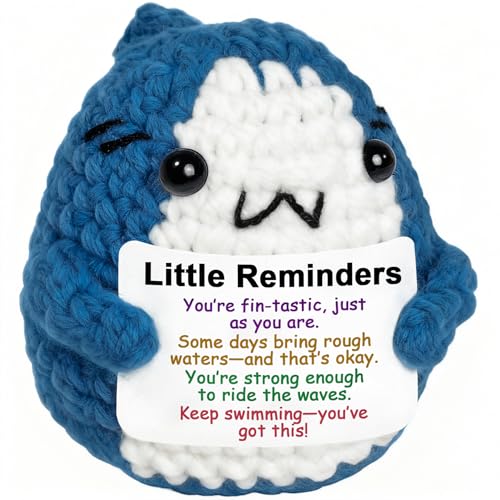
Krinisou Positive Animals Crochet Shark Gift – Emotional Comfort Shark Plush with Support Message, Self Care and Mental Health Gift, Uplifting Thinking of You Gifts for Women Men
Cute Shark Stuff: A chubby crochet shark that brings a daily encouragement.Its gentle smile and message offers emotional…
As an affiliate, we earn on qualifying purchases.
As an affiliate, we earn on qualifying purchases.
Frequently Asked Questions
How Can I Reconnect With Old Friends Effectively?
You can reconnect with old friends by starting with a simple message or call, expressing genuine interest in rekindling memories and catching up. Overcoming shyness might feel tough, but taking small steps like sharing a funny memory or asking about their life helps ease the process. Be authentic, patient, and open-minded. This approach fosters meaningful reconnections, strengthening your social bonds and boosting your mental well-being.
What Are Some Signs of Social Isolation?
You might notice loneliness indicators like feeling disconnected or sad, even when around others. Social withdrawal is another sign, where you avoid social situations or cancel plans often. You may also experience a lack of motivation to engage with friends or family, and feel isolated despite being physically present with others. Recognizing these signs early helps you take steps to reconnect and rebuild your social bonds, improving your mental well-being.
How Do Social Connections Influence Mental Health Long-Term?
You might think social connections only matter in the short term, but they actually boost your long-term mental health. When you have strong social support, it enhances your emotional well-being, helping you manage stress and prevent anxiety and depression over time. Building these connections creates a sense of belonging and security, which supports resilience and mental stability, making your life more fulfilling and balanced in the long run.
Can Online Relationships Provide the Same Benefits as Face-To-Face Ones?
Online relationships can offer meaningful virtual support and foster emotional intimacy, but they often lack the depth of face-to-face interactions. While you can develop strong bonds and receive encouragement online, in-person connections typically provide richer non-verbal cues and physical presence, which enhance emotional closeness. For long-term mental health benefits, combining both online and face-to-face relationships helps build a more resilient support system for you.
What Are Quick Ways to Improve Social Skills?
Did you know that improving social skills can boost your confidence and reduce anxiety? To do this quickly, focus on body language—maintain eye contact, smile, and use open gestures. Practice active listening by truly paying attention and responding thoughtfully. These simple steps can make your interactions more engaging, helping you build stronger connections faster and feel more comfortable in social settings.
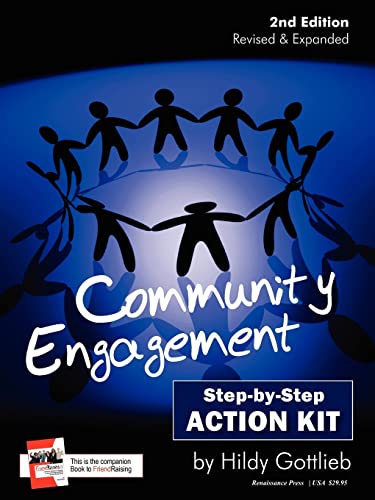
Community Engagement Step-By-Step Action Kit 2nd Edition
As an affiliate, we earn on qualifying purchases.
As an affiliate, we earn on qualifying purchases.
Conclusion
Building strong social connections can significantly protect you from anxiety and depression. Remember, people with close relationships are 50% less likely to experience mental health issues. So, make an effort to nurture your friendships and community. These bonds not only bring joy but also act as a crucial shield during tough times. Investing in your relationships truly pays off—your mental well-being depends on it. Start today, and watch your resilience grow.

Worry for Nothing: Guided Anxiety Journal, Cognitive Behavioral Therapy Mental Health Journal, Anxiety Relief & Self Care, Journal for Men & Women, Mental Health Gifts
IMPROVES MENTAL HEALTH: Use this journal to improve mindfulness, uncover triggers, track physical and emotional sensations, document your…
As an affiliate, we earn on qualifying purchases.
As an affiliate, we earn on qualifying purchases.

Junior Learning Social Skills Board Games, 4 Games, Ages 5-8, Empathy & Manners, Grade 1-2
Targets the development of essential social skills such as empathy, friendship, manners, and emotional understanding.
As an affiliate, we earn on qualifying purchases.
As an affiliate, we earn on qualifying purchases.