

TL;DR
Health news coverage has surged globally, with mentions increasing sharply according to GDELT data. This reflects heightened media focus on health issues, though the reasons are still being analyzed. For more on health media coverage, see Behavioral Health Services Surges In Global Coverage.
Recent data from the GDELT Project shows a sharp increase in global media mentions of health news, with 66 mentions recorded in a recent window—more than six times the baseline. This surge indicates a heightened media focus on health issues worldwide, which could influence public awareness and policy discussions.
The GDELT database, which monitors global news coverage, reported 66 mentions of health-related topics in a specific recent timeframe, representing a 600% increase over typical levels. The spike was observed across multiple regions and media outlets, suggesting a broad and coordinated rise in health news reporting.
Experts note that this surge may be linked to recent health crises, policy debates, or emerging health research that has captured media attention. However, specific causes for the spike are still under analysis, and it is unclear whether this increase is sustained or a temporary anomaly.
Implications of the Global Health News Coverage Increase
This surge in health news coverage matters because it can shape public perceptions, influence health policy, and impact funding priorities. Increased media attention may lead to greater public awareness of health issues, but it also risks spreading misinformation if not carefully managed. Policymakers and health authorities may experience pressure to respond to heightened media focus.

Fuck It: A Guided Self-Love and Gratitude Journal for Women to Unfuck Your Life, Exhale the Bullshit, and Love Who You Are (Cute Self Care & Self Help Books)
As an affiliate, we earn on qualifying purchases.
As an affiliate, we earn on qualifying purchases.
Recent Trends in Health News Reporting and Media Attention
Over the past year, health topics have gained prominence due to ongoing global health challenges, such as pandemics, vaccine debates, and emerging diseases. The GDELT data indicates that media coverage often spikes in response to major health events or policy developments. The recent increase in mentions follows a period of relative stability, marking a notable shift in media focus.
Historically, such surges correlate with health crises or breakthroughs, but the current spike appears broader, affecting multiple regions and media types. Analysts suggest this could reflect a growing public interest or media strategy to prioritize health topics amid ongoing global concerns.
“Our data shows a 600% increase in health news mentions over the baseline, marking a notable change in global media activity.”
— GDELT Research Team
Fuck It: A Guided Self-Love and Gratitude Journal for Women to Unfuck Your Life, Exhale the Bullshit, and Love Who You Are (Cute Self Care & Self Help Books)
As an affiliate, we earn on qualifying purchases.
As an affiliate, we earn on qualifying purchases.
Unclear Causes and Duration of the Coverage Surge
It is not yet confirmed what specific events or factors triggered the surge in health news mentions. Analysts are still investigating whether this is related to recent health crises, policy debates, or other developments. Additionally, it remains unclear how long this heightened coverage will last and whether it will lead to sustained increased media focus on health topics.
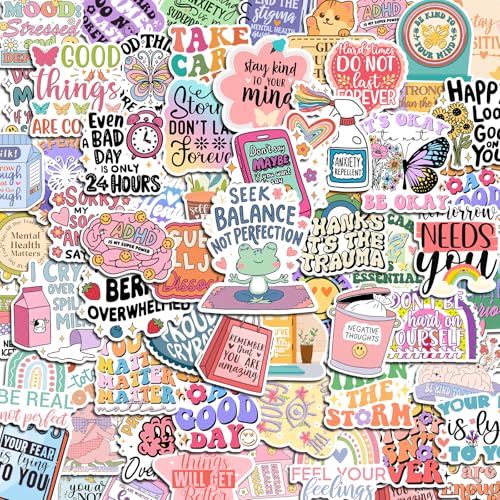
300 PCS Mental Health Stickers, Vinyl Therapy Stickers for Mental Health Journal, Positive Quote Decals for Adult, Therapist Gifts, Journals, Laptops, Water Bottles
[Thoughtfully Designed for Mental Health Awareness]: At the heart of this collection are 300 carefully crafted mental health…
As an affiliate, we earn on qualifying purchases.
As an affiliate, we earn on qualifying purchases.
Monitoring Media Trends and Public Impact
Researchers and media analysts will continue to monitor GDELT data and other sources to assess whether the surge persists. Health authorities may also observe media coverage to gauge public interest and adjust their communication strategies accordingly. Further analysis is expected to clarify the causes and potential consequences of this spike in health news reporting.

Smiley: 50 Years of Good News
By Liam Aldous (Author)
As an affiliate, we earn on qualifying purchases.
As an affiliate, we earn on qualifying purchases.
Key Questions
What caused the recent surge in health news coverage?
The exact causes are still under investigation, but it may be related to recent health crises, policy debates, or emerging research that has garnered media attention.
How long will this increase in health news coverage last?
It is currently uncertain whether this is a temporary spike or a sustained trend. Ongoing monitoring will clarify this in the coming weeks.
Does this surge impact public health awareness?
Potentially, increased media coverage can raise public awareness about health issues, but it also raises concerns about misinformation if not carefully managed.
Are specific regions more affected by this coverage surge?
Yes, the data indicates that multiple regions and media outlets are involved, suggesting a broad, global increase in health news reporting.
What should health authorities do in response?
Authorities should monitor media trends, provide clear and accurate information, and prepare for potential shifts in public interest and policy demands.
Source: gdelt