
TL;DR
A personal essay published by Sixty and Me describes how a summer of hiking, gardening, travel and time with other people helped its writer feel stronger and more prepared for the colder months. The account is personal reflection, not a study or a report of a broader trend; it does not establish that summer activities have the same effects for everyone.
A writer for Sixty and Me says a summer of hiking, gardening, travel and time with family and new acquaintances helped her feel more physically confident and emotionally prepared for fall and winter. In a personal essay, she describes carrying memories, food and a renewed sense of connection into the colder, darker season; her account is an individual reflection, not evidence of a general health effect.

Turn your wind-down time into listening time
- Thousands of audiobooks, podcasts and originals
- Listen on your phone, tablet or Echo — also offline
- Cancel anytime
The writer says regular hiking over the spring and summer helped her feel more capable on the trail. She describes improved balance and confidence, a straighter posture while carrying a pack, and less knee swelling after a four-hour hike. She also says a back problem she associated with an earlier rowing-boat incident seemed to recede. These are her observations about her own body; the essay does not provide a medical assessment or establish why the changes occurred.
Gardening supplied another source of activity and enjoyment. The writer recalls harvesting peas, fava beans, leafy greens, broccoli, potatoes, berries and other fruit, as well as preserving some produce. She says working the soil brought movement and pleasure, while eating the harvest offered flavor and a sense of abundance. The essay names these experiences as nourishing, but does not make measured nutritional or health claims.
Travel and social encounters also figure prominently. The writer says meeting people across language differences challenged her and that shared experiences strengthened her sense of belonging. She describes family contact, including a small hand in hers, as a source of renewed connection. Looking ahead, she plans to draw on these memories and on preserved foods, while continuing to find pleasure in brisk walks, skiing, autumn colors and winter landscapes.
Summer Memories as Winter Support
The essay offers a personal account of how seasonal routines can shape someone’s outlook as daylight declines. Its focus is not a new policy, study or public health finding, but the writer’s effort to carry the physical activity, social contact and sensory experiences of summer into a less active or darker part of the year. For readers, the account may prompt reflection on what they want to preserve from one season and what activities they could continue when the weather changes.
It also distinguishes preparation from certainty. The writer feels that summer has left her with confidence and stories to draw on in winter, but her experience cannot predict how another person will feel or whether the same activities will have the same effects. The practical value of the piece is its concrete description of hiking, gardening, relationships and outdoor recreation as parts of one person’s seasonal routine.
Products Worth Considering

Oura Ring 5 Smart Ring, Gold, Size 8

Garmin Forerunner 165 GPS Running Smartwatch, 43 mm, Black
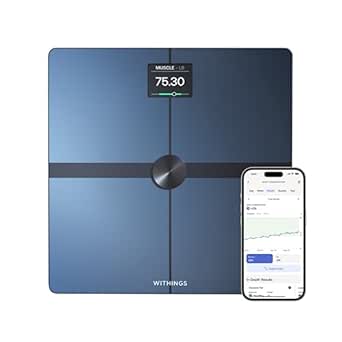
Withings Body Smart Wi-Fi Smart Scale, Black
As an affiliate, we earn on qualifying purchases.
A Personal Seasonal Reflection
The source is a first-person essay titled “How Summer Helped Me to Get Ready for Fall and Winter,” published by Sixty and Me. The material provided does not include a publication date, the writer’s name or reporting beyond the author’s own recollections. The piece moves through several themes: strength and fitness, food from the garden, human connection, play and a sense of renewal.
Rather than offering a forecast or a set of recommendations, the writer looks back on the previous six months of light, travel and hiking. She then considers what may sustain her as days shorten, including preserved foods and future opportunities to walk or ski. That timeline matters: the essay describes one person’s transition between seasons, not a documented comparison of seasonal wellbeing across a group.
What the Essay Cannot Establish
The account does not identify the writer by name in the supplied material or give the article’s publication date. It also does not provide independent confirmation of her reported changes in knee swelling, posture or back symptoms. The causes and duration of those changes are not established in the essay, and the text should not be read as medical advice.
More broadly, no study, survey or comparison group is cited. The piece cannot show whether summer activities reliably improve physical health or emotional wellbeing for other people, or how the writer’s experience may change over the coming winter. Those points remain outside the scope of the source.
The Writer’s Plans for Winter
The writer says she expects to revisit summer memories during the darker months and keep reminders of the season in her pantry, including dried fruit, salsa and pesto. She also anticipates brisk walks or skiing and says fall colors and winter landscapes can offer fresh sensory experiences. These are plans and hopes stated in the essay, not confirmed events.
The source provides no scheduled follow-up or additional reporting. The next development described is seasonal: the writer intends to carry her summer experiences into fall and winter and remain open to new activities and connections.
Key Questions
What is the essay about?
It is a first-person reflection on how hiking, gardening, travel and human connection helped its writer feel ready for fall and winter.
Does the essay report a scientific study?
No. It presents the writer’s own experiences and observations. It does not cite research or establish that the same effects apply to other people.
What physical changes does the writer describe?
She says she felt more confident hiking, had better balance and posture, and experienced less knee swelling after a long hike. These are self-reported observations; the essay does not offer a medical explanation.
How does the writer plan to carry summer into winter?
She plans to draw on memories of people and places, eat preserved foods from her pantry, and seek enjoyment in activities such as walking or skiing and in winter scenery.
Source: rss