
Intercultural marriages allow you to celebrate diversity by embracing each other’s traditions, foods, and holidays. You’ll navigate cultural differences, which can sometimes cause misunderstandings, but with patience and openness, you build deeper bonds. Sharing new customs and learning languages together strengthens your connection. Flexibility and mutual respect help turn challenges into growth opportunities. Keep exploring how blending these traditions creates a richer, more meaningful partnership—you’ll find much more to discover ahead.
Key Takeaways
- Embrace and learn about each other’s cultural traditions to foster mutual respect and enrich the relationship.
- Communicate openly to navigate misunderstandings caused by language barriers and cultural differences.
- Create new blended traditions that honor both backgrounds, promoting inclusivity and shared identity.
- Use humor, non-verbal cues, and patience to strengthen understanding and connection across cultural divides.
- Recognize challenges as growth opportunities, cultivating flexibility and appreciation for diversity within the partnership.

Have you ever wondered what makes intercultural marriages both exciting and challenging? It’s the rich blend of cultural traditions, the joy of discovering new customs, and the inevitable hurdles that come with differences in language and background. When two people from diverse cultures decide to unite their lives, they bring with them a tapestry of traditions that can enhance their relationship or sometimes create misunderstandings. Cultural traditions shape how you celebrate holidays, approach family obligations, or even interpret gestures and manners. Navigating these differences requires openness and patience, but it also offers the opportunity to learn and grow together. You might find yourself embracing new foods, participating in unfamiliar rituals, or adopting new ways of expressing love and respect. These shared experiences deepen your bond and make your relationship unique.
At the same time, language barriers can pose a significant challenge. Even if you speak the same language, accents, idioms, or dialects might lead to misunderstandings or frustrations. If you come from different linguistic backgrounds, the struggle to communicate effectively can feel overwhelming at times. You may find yourself repeating words, explaining meanings, or trying to interpret gestures that aren’t universal. This can create moments of miscommunication or even emotional distance if not addressed thoughtfully. However, these hurdles also present opportunities for patience and creativity. You might learn each other’s languages, which strengthens your connection and shows your commitment. Using humor and non-verbal cues can bridge gaps, and over time, your shared efforts can turn language differences into a source of intimacy rather than division. Recognizing and utilizing Etsy SEO strategies can also help you find resources and communities to support your intercultural journey.
Dealing with cultural traditions and language barriers requires mutual respect and a willingness to adapt. It’s important to acknowledge that neither of you needs to give up your cultural roots but rather find ways to honor both. This might involve creating new traditions that blend elements from each culture or being flexible about how and when you celebrate certain customs. Communication is key, so investing time in understanding each other’s perspectives helps prevent misunderstandings. Approaching these differences with curiosity instead of frustration turns challenges into opportunities for growth. By embracing diversity and actively working through language hurdles, you create a relationship that’s resilient and enriched by the very differences that initially seem intimidating. Ultimately, it’s these shared efforts and open-mindedness that allow intercultural marriages to flourish, transforming potential obstacles into stepping stones toward a deeper, more meaningful connection.

6Pcs Communication Board for Non Verbal Adults Picture Symbol Communication Cards Speech Therapy Tools for Autism Toddlers Kids Aphasia Stroke Patients Hospital Care Home Use Talking Placemats
Package includes: This set includes 6 communication boards, each designed with different themes to help individuals express their…
As an affiliate, we earn on qualifying purchases.
As an affiliate, we earn on qualifying purchases.
Frequently Asked Questions
How Do Intercultural Couples Handle Language Barriers Effectively?
You can handle language barriers effectively by practicing bilingual communication and using language learning strategies together. Try to speak each other’s native language regularly, and use tools like apps, flashcards, or language classes to improve your skills. Be patient and open-minded, encouraging each other’s progress. This approach fosters clear understanding, strengthens your connection, and helps you navigate cultural differences more smoothly.
What Are Common Cultural Misunderstandings in Such Marriages?
You often face stereotype challenges and ritual misinterpretations in intercultural marriages. Stereotypes may lead to assumptions about your traditions or values, causing friction. Ritual misinterpretations can result in misunderstandings about customs or practices, leading to confusion or frustration. To overcome these, communicate openly, ask questions, and embrace learning about each other’s cultures. By doing so, you foster respect, build understanding, and nurture a stronger, more harmonious relationship.
How Do Families Typically React to Intercultural Unions?
Family reactions to intercultural unions vary, but you often face mixed feelings. Some family members warmly accept your choice, valuing love over tradition, while others may struggle with societal perceptions or cultural differences. You might encounter initial resistance or concern, but open communication and respecting each other’s backgrounds help foster family acceptance. Over time, many families learn to embrace diversity, recognizing the beauty of intercultural love and strengthening family bonds.
What Legal Considerations Exist for International Intercultural Marriages?
Like steering the labyrinth of Daedalus, you must carefully consider visa regulations and marriage laws in international intercultural marriages. You’ll need to meet specific visa requirements, such as spousal or fiancé visas, depending on your country. Laws about marriage validity, documentation, and residency can vary widely. Be proactive, consult legal experts, and guarantee you understand each country’s legal landscape to avoid surprises, and build a strong, lawful union across borders.
How Can Couples Preserve Their Cultural Identities Within the Marriage?
You can safeguard your cultural identities by openly sharing your cultural traditions and respecting each other’s backgrounds. Incorporate rituals, foods, and celebrations from both cultures into your daily life and special occasions. Communicate honestly about your identity preservation goals, and find ways to honor both traditions equally. This approach fosters mutual understanding, strengthens your bond, and ensures that both of you feel valued and connected to your cultural roots within your marriage.

Joining Hands and Hearts: Interfaith, Intercultural Wedding Celebrations: A Practical Guide for Couples
As an affiliate, we earn on qualifying purchases.
As an affiliate, we earn on qualifying purchases.
Conclusion
Intercultural marriages not only celebrate diversity but also foster deeper understanding between different worlds. Imagine, in 2022, over 15% of marriages in the U.S. were intercultural, showcasing how love crosses boundaries. By embracing these differences, you create a richer, more vibrant life together, breaking down stereotypes and building bridges. Your journey shows that with open hearts and minds, you can turn cultural differences into a beautiful tapestry of shared experiences and lasting connection.
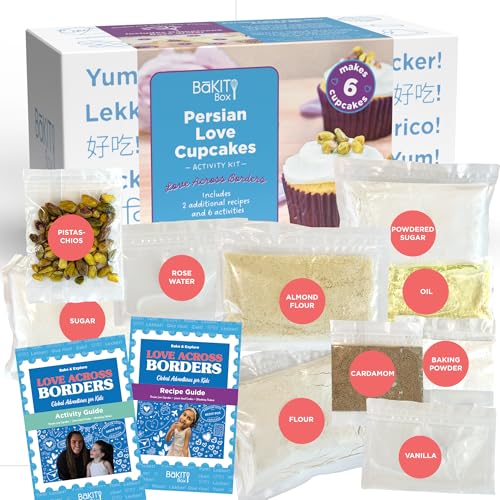
BāKIT Box Persian Love Cupcakes Baking Kit for Kids – Global Cultural Baking Activity Set with Recipe, Booklet & Premium Ingredients – Includes Rose Water, Cardamom & Pistachios – Ages 7–14
Bake with Love: Create fragrant cupcakes inspired by the legendary Persian Love Cake using rose water, cardamom, and…
As an affiliate, we earn on qualifying purchases.
As an affiliate, we earn on qualifying purchases.
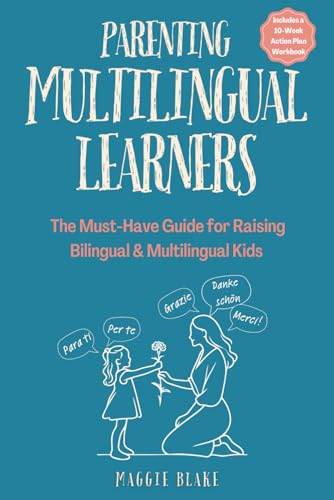
Parenting Multilingual Learners: The Must-Have Guide for Raising Bilingual & Multilingual Kids — Everything You Need to Know for Language Learning, … Language Superstars — Global Families)
As an affiliate, we earn on qualifying purchases.
As an affiliate, we earn on qualifying purchases.