
TL;DR

Turn your wind-down time into listening time
- Thousands of audiobooks, podcasts and originals
- Listen on your phone, tablet or Echo — also offline
- Cancel anytime
Stress relief meditation kits help kickstart calming routines by providing tools and guidance. While they support relaxation, their success depends on personal fit and regular use, not just the contents.
Ever tried to start meditating but felt overwhelmed by the clutter of accessories, confusing instructions, or just the sheer effort needed? You’re not alone. Many turn to stress relief meditation kits as a quick fix, hoping a curated box can make relaxation effortless. But do they really work? And how do you pick the right one for you? In this article, you’ll learn what these kits typically include, what to watch out for, and how they can fit into your routine — without adding stress or empty promises.
Whether you’re a total beginner or looking for a thoughtful gift, understanding what makes a good meditation kit can save you money and frustration. The key is matching the kit to your preferences and using it consistently, rather than chasing the latest trendy accessories. Ready to find your calm? Let’s explore how these curated collections work and what truly matters when choosing one.
A meditation kit is a supportive tool, not a magic cure; regular practice matters more than accessories.
Focus on simple, high-quality items and clear instructions—avoid overcomplicated or exaggerated claims.
Match the kit to your style—guided, silent, tactile—and your routine’s time and space constraints.
Check ingredient lists, safety info, and transparency—especially for scented products and consumables.
Stay updated on trends like digital integration and personalization to find tools that fit your evolving needs.
What’s Actually Inside a Stress Relief Meditation Kit?
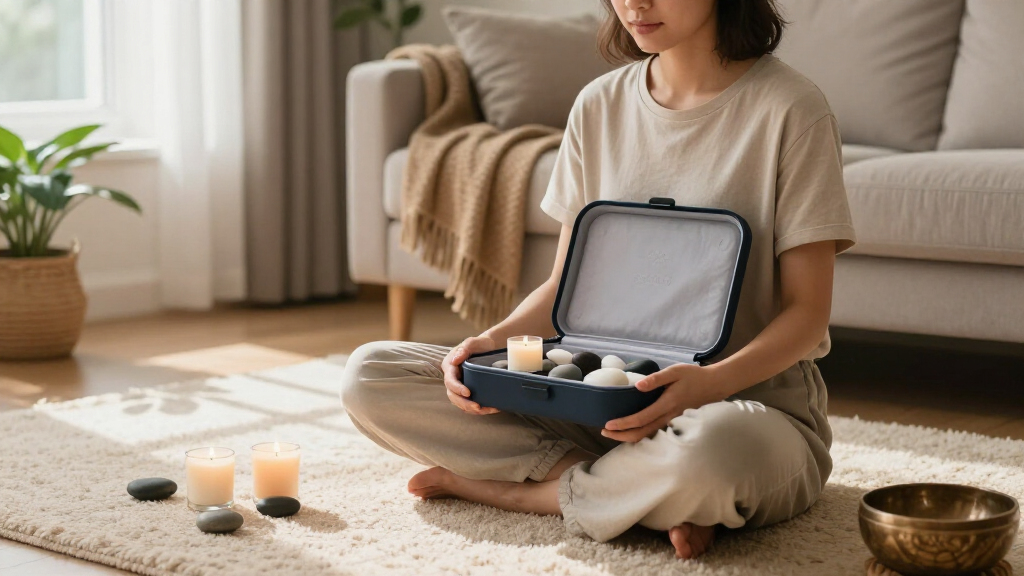
Most meditation kits are a collection of tools designed to make calming practice easier and more inviting. They often include a mix of sensory aids, guidance materials, and accessories. Think of it as a box of calm—ready to help you unwind after a hectic day.
Typical contents include guided meditation cards, a cozy cushion or small mat, scented candles, essential oils, and sometimes sound tools like singing bowls or chimes. You might also find journals for gratitude, herbal teas for relaxation, stress balls for tactile comfort, and sleep masks to block out light. Each item plays a specific role in supporting your practice; for example, a cushion provides physical comfort, which reduces distraction, while scented oils can enhance relaxation through sensory engagement. Recognizing the purpose behind each item helps you choose tools that genuinely support your goals, rather than just adding clutter.
As an affiliate, we earn on qualifying purchases.
Does the Kit Really Make Meditation Easier or Better?
Here’s the truth: a kit won’t turn you into a meditation master overnight. But it can help address common barriers that prevent consistent practice. For example, many people struggle with the initial setup—finding a comfortable space, gathering tools, or overcoming mental resistance. A thoughtfully selected kit simplifies these steps, transforming meditation from a daunting task into a ritual. It provides a sense of structure and intention, which can motivate regular engagement.
Research shows that meditation can modestly reduce stress and improve sleep, but the presence of accessories doesn’t automatically amplify these effects. Instead, a kit’s real value lies in reducing friction—making it easier to start, stay consistent, and integrate practice into daily life. For instance, having a dedicated space with familiar tools signals to your brain that it’s time to relax, which can accelerate the transition into a calm state. The ritual of lighting a candle or taking deep breaths enhances mindfulness by anchoring your attention. However, the core benefit depends on your commitment to regular practice. Without consistency, even the most elaborate kit won’t produce lasting benefits. So, the takeaway is that a kit supports your efforts but isn’t a substitute for genuine practice—its effectiveness hinges on your dedication and routine.
As an affiliate, we earn on qualifying purchases.
How to Pick the Perfect Meditation Kit for You
- Identify your style: Do you prefer silence, guided audio, or music? Choose a kit that matches your preferred approach. Understanding your practice style ensures the tools you select align with what keeps you engaged and comfortable, increasing the likelihood of regular use.
- Start simple: Look for clear instructions and a few key items—no need for a treasure chest of accessories. Overloading on tools can be overwhelming and counterproductive, leading to confusion or neglect. Focus on essentials that support your routine and gradually expand as you grow more comfortable.
- Check ingredients and materials: Are the oils, teas, or candles natural? Are cushions made from comfortable, durable fabrics? The quality of these materials affects safety, sensory experience, and durability. Using natural, non-toxic ingredients minimizes health risks and enhances the calming effect, while durable materials ensure longevity and comfort.
- Consider your space and routine: Will the kit fit your home or office? Can you use it in five-minute bursts or longer sessions? Tailoring the size and portability of your kit to your environment and available time increases the likelihood of consistent practice, making meditation a feasible part of your day.
- Set realistic expectations: Avoid kits that promise instant stress relief or cures. Focus on tools that encourage your regular practice, knowing that benefits accrue over time. Recognizing that meditation is a journey helps you stay motivated and reduces disappointment with immediate results.
- Budget wisely: Quality doesn’t always mean expensive. Sometimes, assembling your own kit with a few thoughtful items works just as well. Prioritizing your needs over brand names allows for more personalized and cost-effective solutions.
For example, a busy professional might prefer a small, portable kit with a timer and guided audio, while someone at home might want a plush cushion, calming scents, and a journal. Matching the kit to your lifestyle and preferences not only makes it more appealing but also more likely to become a consistent part of your routine.
As an affiliate, we earn on qualifying purchases.
What to Watch Out for When Buying a Meditation Kit
Not all kits are created equal. Some are packed with marketing buzzwords that sound impressive but lack evidence or quality. These can lead to disappointment or even safety issues if ingredients or materials aren’t transparent. Always scrutinize the product details before purchasing.
Look for transparency. Does the product list ingredients, materials, and instructions clearly? Are the claims realistic? For example, terms like “healing” or “detoxifying” are often marketing hype, not scientific facts. Misleading claims can set false expectations or lead to ineffective choices, so understanding what’s supported by evidence helps you select genuinely beneficial tools.
Pay attention to safety. Essential oils can irritate skin or trigger allergies; candles and incense produce smoke—bad news for respiratory issues. If you have allergies, sensitivities, or pets, choose fragrance-free or hypoallergenic options. Overlooking safety details can compromise your health or create unwanted side effects, undermining your relaxation goals.
Also, beware of automatic subscription renewals that can drain your wallet. Read the fine print about costs, replacement policies, and whether digital content is accessible without ongoing fees. A good kit should be transparent, safe, and reasonably priced, giving you confidence in your purchase without hidden traps or ongoing expenses.
For example, instead of a flashy set claiming to “cure stress,” choose one that states it’s designed to support your existing practice, with clear ingredient lists and safety precautions. This approach ensures you’re investing in something that genuinely aligns with your needs and safety considerations.
meditation cushion and accessories
As an affiliate, we earn on qualifying purchases.
As an affiliate, we earn on qualifying purchases.
Latest Trends That Make Meditation Kits Smarter and More Personal
Modern meditation kits are evolving fast. Now, many combine physical objects with digital tools, such as QR codes linking to guided sessions, apps, or online communities. This integration makes expert guidance more accessible and customizable, allowing users to tailor their practice to specific needs or moods. The trend toward digital augmentation signifies a shift from static tools toward interactive, adaptable experiences that can evolve with your practice.
Personalization is a major trend. Kits designed for sleep, stress at work, pregnancy, or grief include targeted tools—like calming teas, sleep masks, or gentle breathing guides—that address specific emotional or physical states. This tailored approach enhances effectiveness because the tools resonate more deeply with individual needs. For example, a kit for new parents might focus on quick, calming routines that fit into small windows of free time, making meditation more practical and appealing.
Mini and portable kits are rising in popularity. These are designed to fit into busy routines, such as travel-sized sets or pocket-friendly tools, allowing for quick resets anywhere—at the office, during commutes, or in hotel rooms. This convenience encourages regular use by removing barriers related to time and space.
Sensory and screen-free experiences are also trending. Tactile tools like worry stones, scented candles, and weighted eye pillows help disconnect from screens and sensory overload, promoting mindfulness through physical engagement. Sustainability matters too—refillable containers, organic textiles, and eco-friendly materials are increasingly common, appealing to environmentally conscious consumers. These choices reflect a broader awareness of personal and planetary health, making meditation more aligned with sustainable values.
And don’t forget corporate wellness programs—many companies now gift or subsidize meditation kits for employees, recognizing the importance of mental health in productivity and job satisfaction. Cultural respect is also gaining attention; brands that explain the origins and significance of symbols like singing bowls or prayer beads demonstrate authenticity and foster a respectful appreciation of diverse traditions.
How to Choose a Meditation Kit That Fits You Like a Glove
- Match your practice style: If you love guided sessions, find kits with clear instructions or app access. Prefer silence? Look for minimalist options. Ensuring the tools align with your preferred methods increases motivation and consistency.
- Prioritize quality and safety: Read ingredient lists, material info, and safety warnings. Avoid vague claims or unverified ingredients. High-quality, safe materials not only protect your health but also enhance the sensory experience, making practice more enjoyable and sustainable.
- Think about your routine: Will you use it daily or occasionally? Is it portable? Does it fit your space? Tailoring your kit to your lifestyle ensures it becomes a natural part of your day rather than an obligation or clutter.
- Set a budget: You don’t need the most expensive to get a good experience. Often, simple tools work just fine. A well-chosen, affordable kit can be equally effective if it suits your needs.
- Check reviews and transparency: Do other users find it helpful? Does the brand explain their sourcing and ingredient choices? Transparent brands foster trust and help you make informed decisions, reducing the risk of disappointment or unsafe purchases.
For example, someone with allergies should look for fragrance-free options and organic materials. Someone with limited space might prefer a compact kit with digital guidance. Tailoring your choice to your needs, preferences, and values ensures your meditation practice is both effective and enjoyable.
Frequently Asked Questions
Do stress relief meditation kits actually work?
They can make it easier to start and stick to a calming routine. Evidence shows meditation modestly reduces stress and improves sleep, but a kit’s main role is to support your effort—not guarantee results. Consistent practice is key.
What should a beginner’s kit contain?
Simple guidance, a comfortable seat or cushion, a timer, and a few short practices are enough to get started. Fragrances and spiritual symbols are optional, not essential.
How often should I use the kit?
Most people find that five to ten minutes daily builds a sustainable habit. Consistency beats long, infrequent sessions. Start small and increase gradually as you get comfortable.
Are expensive kits better?
Not necessarily. Higher price doesn’t always mean better quality or more effective. Focus on what’s useful for your routine and preferences rather than price tags.
Can I make my own meditation kit?
Absolutely. A DIY kit with a timer, comfortable seat, some guidance, and a journal can be just as effective. Personal touches often make it more meaningful and budget-friendly.
Conclusion
Choosing a meditation kit isn’t about filling your space with fancy gadgets. It’s about creating a simple, inviting pathway to daily calm. The real magic happens when you make it a regular part of your routine—no matter what accessories you include.
So, pick what feels right, start small, and let your practice grow naturally. Your stress levels will thank you for it—and your mind will thank you for the quiet moments you carve out each day.
Halloween Picks
halloween
As an affiliate, we earn on qualifying purchases.