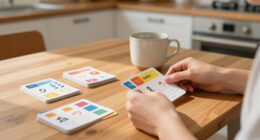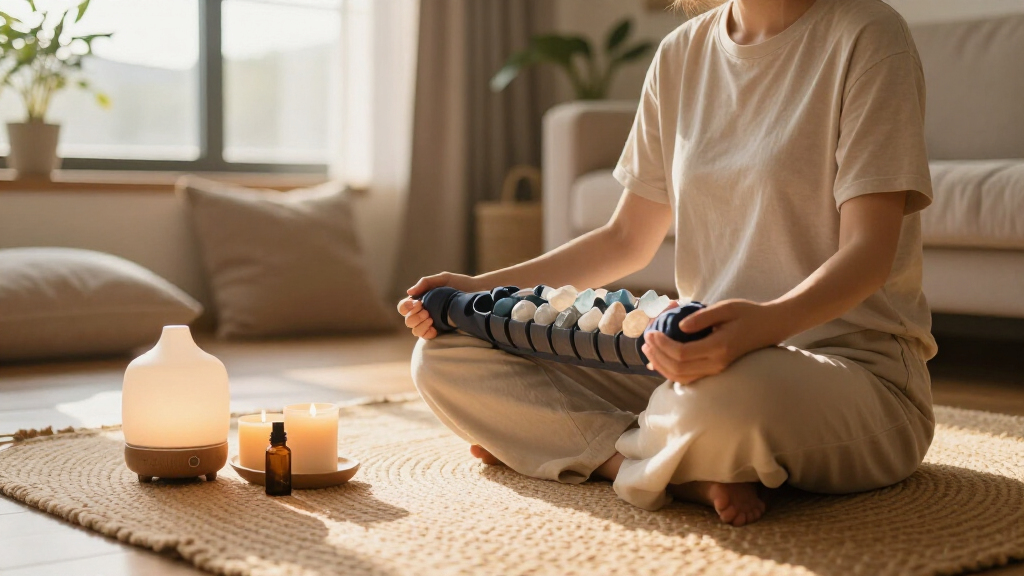

This guide walks you through creating a stress relief meditation kit designed to promote relaxation and focus. Suitable for beginners and those experienced in meditation, this kit combines calming tools and accessories to enhance your practice. Completing this task results in a personalized, portable kit that can be used anytime stress builds or when preparing for meditation sessions.

Turn your wind-down time into listening time
- Thousands of audiobooks, podcasts and originals
- Listen on your phone, tablet or Echo — also offline
- Cancel anytime

Best 100 Mindful Prompts for Self Care & Stress Relief
- ✔ Number of Cards: 50 double-sided cards
- ✔ Categories: Mindfulness, Life, Emotions, Stoicism, Zen, The Idea Space
- ✔ Intended Users: Kids, Teens, Adults

Tibetan Singing Bowl Set with Mallet, Cushion & Case – 4.5 Inch Meditation & Sound Bowl for Healing and Mindfulness
- ✔ Diameter: 4.5 inches
- ✔ Weight: 1.6 lbs
- ✔ Materials: Seven sacred metals

Allura & Arcia 52 Stress Less & Self Care Cards – Mindfulness & Meditation Exercises
- ✔ Number of Cards: 52
- ✔ Size: 5 x 4 inches
- ✔ Material: Cardstock
Difficulty: Beginner | Time: 30-45 minutes
What You’ll Need
Tools & Materials:
- Clean storage container or small box
- Decorative materials (optional, e.g., labels, stickers)
Knowledge:
- Basic understanding of meditation principles
- Ability to identify calming objects and scents
Best 100 Mindful Prompts for Self Care & Stress Relief
<p>This set of 100 mindfulness prompts stands out for its wide range of categories, including emotions, Zen, and life reflection, making it suitable for users seeking a broad, adaptable approach. Compared with the other options, it excels in visual engagement and portability, with eye-catching, decorative cards that can serve as both mindfulness tools and home decor. However, it lacks guided meditations or specific activities—users may need to supplement with additional resources for a deeper experience. It’s ideal for those who want quick, visually appealing prompts they can use anywhere, but less suitable for beginners who prefer structured guidance or audio components.</p>
Pros:
- Includes diverse categories for comprehensive mindfulness practice
- Visually appealing design suitable for home or office decor
- Portable size makes it easy to carry and use on the go
- Great gift idea for various occasions
Cons:
- No specific instructions or guided meditations included
- Limited to prompts and quotes without additional activities
- May require additional context or guidance for some users
Best for: Individuals looking for portable, visually stimulating mindfulness prompts that can be integrated into daily routines.
Not ideal for: Users seeking guided meditation, audio support, or structured exercises without additional resources.
Bottom line: A highly versatile, visually engaging set perfect for quick mindfulness prompts on the go, but it lacks guided content for deeper relaxation.
“A highly versatile, visually engaging set perfect for quick mindfulness prompts on the go, but it lacks guided content for deeper relaxation.”
Tibetan Singing Bowl Set with Mallet, Cushion & Case – 4.5 Inch Meditation & Sound Bowl for Healing and Mindfulness
<p>This handcrafted Tibetan singing bowl set is a compelling choice for those who prefer auditory and vibrational meditation. Its handcrafted nature, made with seven sacred metals, adds an authentic feel that appeals to users seeking a tactile, sensory experience. Compared to visual prompts or exercise cards, it offers a more immersive form of relaxation—sound healing that can effectively reduce stress and promote emotional balance. The set includes everything needed to start, making it accessible for beginners. However, it does require gentle practice to produce optimal sound, and the handcrafted quality may vary slightly, meaning not every bowl will sound perfect immediately. It’s best suited for users willing to invest time in learning sound therapy techniques.</p>
Pros:
- Handcrafted in Nepal with authentic Himalayan techniques
- Complete set includes mallet, cushion, and case
- Portable and travel-friendly design
- Effective for stress relief and mindfulness through sound therapy
Cons:
- Requires gentle practice to produce optimal sound
- Handmade quality may vary slightly between bowls
Best for: Stress relief practitioners interested in sound healing, chakra balancing, or immersive meditation experiences.
Not ideal for: Users looking for quick, portable prompts or those uncomfortable with learning new skill-based tools.
Bottom line: An authentic, immersive sound healing tool that’s ideal for those exploring or practicing sound therapy, but it needs patience and gentle handling.
“An authentic, immersive sound healing tool that’s ideal for those exploring or practicing sound therapy, but it needs patience and gentle handling.”
Allura & Arcia 52 Stress Less & Self Care Cards – Mindfulness & Meditation Exercises
<p>This set of 52 self-care cards offers a structured approach to managing stress through mindfulness and meditation exercises. Developed by professionals, these cards provide clear, effective techniques suitable for all ages and settings. Compared to prompts or sound tools, they deliver a more guided experience, making them ideal for users who prefer structured routines or need a quick mental reset during busy days. They are portable and easy to carry, but some users might find the exercises too simple or repetitive over time, and the lack of digital or app components limits interactive engagement. Overall, these cards strike a good balance between accessibility and effectiveness for stress management.</p>
Pros:
- Contains a variety of effective mindfulness and meditation exercises
- Portable and travel-sized for convenience
- Recommended by healthcare professionals
- Suitable for all ages
Cons:
- Some users may find the exercises too simple or repetitive
- No digital or app component included
Best for: People who want professionally developed, guided mindfulness exercises they can use anywhere for stress relief.
Not ideal for: Users seeking immersive audio or sound-based therapy, or those who prefer digital or app-supported formats.
Bottom line: A well-rounded, guided set of cards ideal for structured stress management routines, but it may lack variety for long-term use.
“A well-rounded, guided set of cards ideal for structured stress management routines, but it may lack variety for long-term use.”
As an Amazon Associate we earn from qualifying purchases.
Before You Start
Ensure your workspace is tidy and free of clutter. Choose a quiet time when you won’t be interrupted. Have all your materials ready, and decide on the focus of your kit—whether it’s primarily for calming scents, sounds, or tactile objects. Be mindful of any allergies or sensitivities to scents or materials you include.
Step-by-Step Instructions
Step 1: Select a suitable container
Choose a small, sturdy storage box or container that comfortably holds all your items and is portable. Ensure it is clean and dry.
Tip: Opt for a container with a secure lid to prevent items from falling out or getting damaged during transport.
Check: The container closes securely and can hold all selected items without overcrowding.
Step 2: Gather calming sensory items
Collect items that promote relaxation, such as scented candles, essential oils, calming stones, a soft cloth or mini blanket, and a small, soothing figurine or object.
Tip: Choose scents like lavender or chamomile, which are known for their calming effects. Ensure all items are clean and safe to handle.
Check: Items are clean, safe, and evoke a sense of calm when viewed or handled.
Step 3: Include auditory relaxation tools
Add items like a small portable speaker, calming music or nature sounds recordings, or a mindfulness bell or chime.
Tip: Test the audio devices beforehand to ensure they work properly and have fresh batteries or are fully charged.
Check: Sound devices produce clear, soothing sounds or music when tested.
Step 4: Add tactile objects
Include items like a stress ball, textured fabric, or smooth stones to engage the sense of touch during meditation.
Tip: Select objects that are comfortable to hold and free of sharp edges or rough surfaces that could cause discomfort.
Check: Objects feel soothing and are easy to handle without discomfort.
Step 5: Incorporate visual aids
Add small items like calming images, a mini zen garden, or a colorful mandala coloring sheet and crayons.
Tip: Ensure visual items are clean and free from damage. If including a mini zen garden, add sand and small tools for raking.
Check: Visual items are intact, clean, and visually calming.
Step 6: Add instructional or motivational materials
Include a simple guide or affirmation cards with calming phrases or meditation prompts.
Tip: Write or print clear, positive affirmations such as ‘Breathe deeply’ or ‘Let go of stress’.
Check: Cards or guides are legible, well-organized, and easy to read.
Step 7: Arrange items neatly in the container
Place all selected items inside the container, arranging them so they are easy to access and visually appealing.
Tip: Use dividers or small pouches if necessary to prevent items from shifting or cluttering.
Check: All items fit comfortably, are organized, and the container closes securely.
Step 8: Personalize and label the kit
Add labels or decorative touches if desired, and write your name or a calming message on the container.
Tip: Keep labels simple and clear to quickly identify the kit’s purpose.
Check: The kit is personalized, labeled, and visually inviting.
Common Mistakes to Avoid
- Including items that are not calming or that cause distraction. — Choose only items that you find soothing and that promote relaxation, avoiding anything overstimulating.
- Overstuffing the kit, making it hard to close or carry. — Limit items to essential calming tools and arrange them neatly to fit comfortably within the container.
- Using items that are not clean or safe. — Always clean new items before inclusion and check for any damage or safety hazards.
Troubleshooting
Problem: The kit is too heavy or bulky to carry easily.
Solution: Remove non-essential items and select smaller, lighter options for portability.
Problem: Items are falling out or shifting during transport.
Solution: Use dividers, small pouches, or tissue paper to secure items in place.
Problem: The calming scents are overpowering or cause allergies.
Solution: Test scents on a small area first, and choose hypoallergenic or unscented alternatives if needed.
What Success Looks Like
The finished kit is organized, secure, and contains all chosen calming tools. When opened, it provides a sensory environment conducive to relaxation, with easy access to each item. You feel motivated to use it for meditation or stress relief sessions.
Next Steps
Use your kit regularly to develop a calming routine. Refresh or replace items every few months, and customize it further based on your experiences. Store it in a convenient location and incorporate it into your daily or weekly meditation practice.
Frequently Asked Questions
How often should I update my stress relief meditation kit?
Check the contents every 2-3 months. Replace used or worn items and add new calming tools to keep the kit engaging and effective.
Can I include digital tools in my kit?
Yes, digital tools like a small portable speaker or a meditation app on a device can enhance your experience. Ensure devices are charged and stored safely.
What if I don’t have many calming items available?
You can create simple, DIY calming objects such as a handwritten affirmation card, a small bowl of water with a floating candle, or a textured cloth. Focus on items that evoke serenity for you.
Is it necessary to include all types of sensory tools?
No, include only the sensory tools that resonate with you. Some people prefer scents and visuals, while others find tactile objects more effective.
Halloween Picks
halloween
As an affiliate, we earn on qualifying purchases.